 S&K GRADINGGENERAL ENGINEERING
S&K GRADINGGENERAL ENGINEERING
S&K GRADINGGENERAL ENGINEERING
Hemet sits on the San Jacinto Valley floor at around 1,500 feet, alluvial soil instead of Anza's granite, flatter parcels instead of hillside lots. The ground behaves differently, so the grading has to: less rock work, more attention to compaction and drainage. S&K Grading works both kinds of terrain.
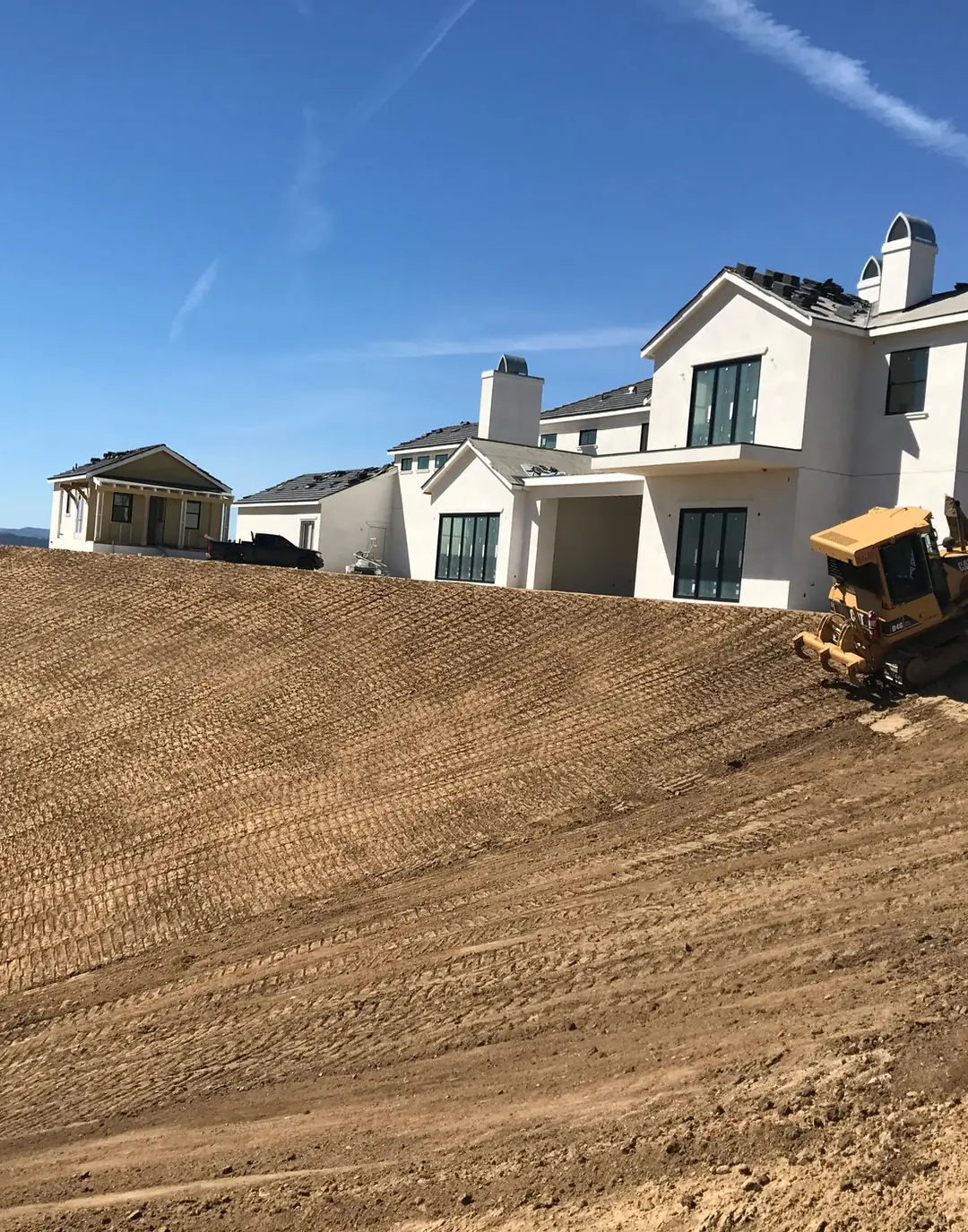
Hemet and the valley floor around it sit roughly 1,500 feet up, well below the high country and the Anza plateau, on alluvial soil that was farmed for generations before development moved in. There is far less rock to fight than in Anza or the mountains, but flatter ground and finer soil bring their own problem: water sits instead of running off, and compaction has to be done right or it settles unevenly later.
That makes drainage and compaction the center of valley floor work: pads graded so water moves away from the structure, ADU and infill sites prepped on lots that are often smaller and tighter than a rural mountain parcel, and finish grading that holds its shape through a wet winter instead of turning into a low spot.
Yes. Hemet sits on the valley floor with alluvial soil and much less rock than Anza's decomposed granite, so the work leans more on compaction and drainage than on cutting through rock. We adjust the approach and equipment to whichever ground we're on.
Yes. ADU site prep, including clearing, pad grading and utility trenching, is regular work for us, and Hemet's mix of established lots and infill parcels is typical ADU territory.
Flat ground does not shed water on its own the way a slope does, so if the grading does not build in a path for water to leave, it ponds instead. On valley floor lots like Hemet's, we grade positive drainage into every pad and leveled area for exactly that reason.
Tell us about your lot, your timeline, and what you're building. We'll shoot you straight.